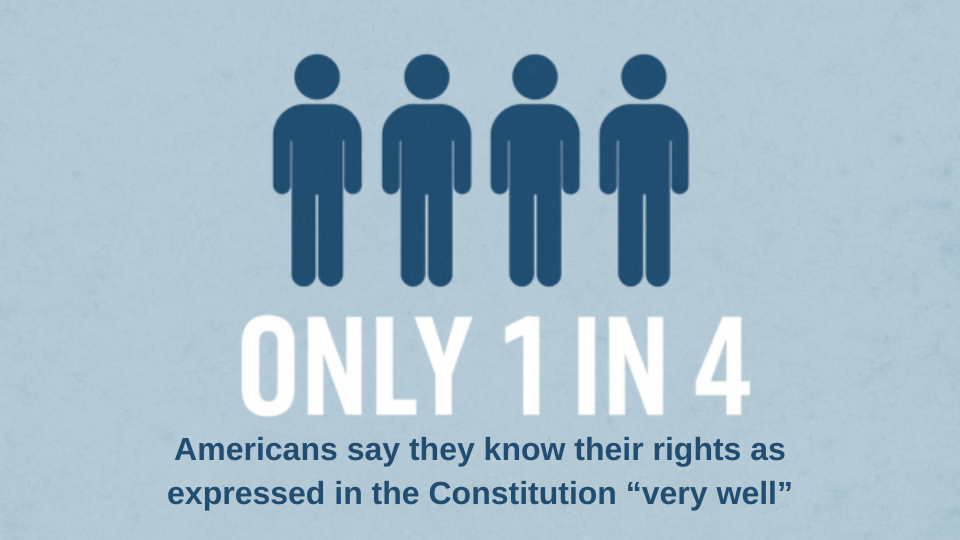
We’ve all heard the phrase “know your rights” on TV, in movies, or maybe even in everyday conversation. It’s used in protests, courtrooms, and in classrooms. But here’s the problem: most people don’t actually know what those rights are—or how to use them when it counts.
Knowing your rights is more than memorizing legal jargon. It’s about protecting yourself, preventing abuse, and making smarter choices when you’re faced with authority, contracts, or conflicts. In critical moments, that knowledge can be the difference between being safe and being taken advantage of. Without it, you may find yourself in a compromised position simply because you didn’t realize what the law protects you from.
Why “Knowing Your Rights” Matters
Everyday situations can spiral quickly if you don’t understand what you’re legally entitled to. People lose cases, pay unfair fines, or even face jail time—not always because they’re guilty, but because they believed they had no other choice.
Consider how often this happens:
- A landlord threatens to evict you immediately, when in reality most states require proper notice and a court process.
- A police officer asks to search your car, banking on you not realizing you can politely refuse without a warrant.
- An employer ignores safety regulations, assuming you won’t report them to OSHA.
💡 Knowing your rights doesn’t make you combative—it makes you confident. It puts you on equal footing, turning intimidating situations into ones you can navigate with clarity and control.
Everyday Examples of Rights in Action
You don’t need a law degree to put your rights to work. In fact, some of the most important protections apply in ordinary situations you probably find yourself facing on a weekly basis.
- Traffic Stops → You have the right to remain silent. You can also politely refuse a search if an officer doesn’t have a warrant or probable cause. A simple phrase like “I don’t consent to a search” can change the outcome of an encounter.
- Housing → Landlords can’t evict you overnight or change the locks without notice. In nearly all states, eviction requires a formal legal process and often a court order.
- At Work → Federal law protects you from unsafe working conditions, discrimination, or harassment. You also have the right to report violations without retaliation.
- At School → Students have rights too—like freedom of expression (within reasonable limits) and protection from unlawful searches of lockers or belongings.
💡 When you understand these rights, you don’t panic. You respond with calm confidence, knowing exactly where you stand.
“Knowing your rights” isn’t just about courtroom battles—it’s about navigating daily life with security and confidence. The truth is, most of us won’t step foot in a courtroom very often, if at all, but we will face traffic stops, housing issues, workplace challenges, or situations where authority figures make us feel powerless. In those moments, knowledge is your power.
When you know your rights, you stop second-guessing yourself and start making decisions from a place of clarity. You don’t freeze when a police officer asks a question, or panic when a landlord threatens eviction—you calmly assert the protections the law already gives you.
The more you learn, the less likely you are to be taken advantage of. And while laws may seem complicated, the first step is simple: start small. Read a guide. Share what you know with a friend. Teach your kids about their rights at school. Each piece of knowledge builds confidence—not just for you, but for your whole community.
At the end of the day, knowing your rights is about power—but not the kind of power that controls others. It’s the power to protect yourself, to stand firm in difficult moments, and to make sure the system treats you fairly.
Because once you know your rights, no one can take that knowledge away.
📚 References & Further Reading:
American Civil Liberties Union. (n.d.). Know your rights: What to do if you’re stopped by police, protest, or face discrimination. ACLU. https://www.aclu.org/know-your-rights
Justia. (n.d.). U.S. Constitution & legal information. Justia. https://www.justia.com/constitution/
National Constitution Center. (n.d.). The interactive Constitution. National Constitution Center. https://constitutioncenter.org/the-constitution